
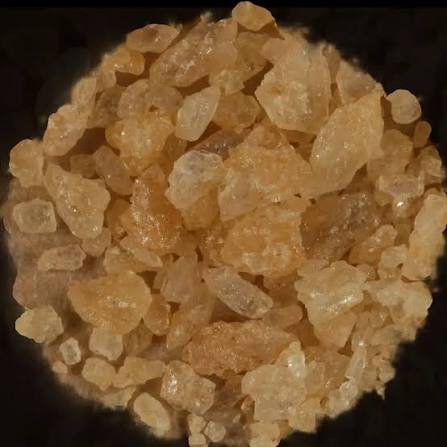
What is MDMA? Pharmacological Profile, Clinical Breakthroughs, and Regulatory Landscape
Firstly, Buy MDMA Crystals online Netherlands, 3,4-Methylenedioxymethamphetamine (MDMA), colloquially known in recreational contexts as ecstasy or molly, is a synthetic psychoactive compound. Structurally related to both stimulants (amphetamines) and hallucinogens (mescaline), MDMA possesses a unique pharmacological profile. Rather than acting as a traditional psychedelic, it functions primarily as an empathogen or entactogen, inducing deep feelings of empathy, social connectedness, and emotional openness. [1, 2, 3]
Once primarily associated with nightlife subcultures, MDMA has transitioned into clinical settings. It has become the subject of advanced clinical trials aimed at treating severe, chronic psychological trauma. [1, 2, 3]
How MDMA Affects the Brain: Neurochemical Mechanisms
Secondly, Unlike classic psychedelics (such as LSD or psilocybin) which bind directly to serotonin receptors, MDMA primarily functions as a monoamine releasing agent and reuptake inhibitor. It forces the brain to flood the synaptic cleft with three major neurotransmitters: [1]
- Serotonin Surges: MDMA reverses the direction of serotonin transporters (SERT), dumping massive quantities of stored serotonin into the brain. This drives the acute elevation of mood, emotional warmth, and sensory changes. [1, 2]
- Norepinephrine and Dopamine Release: By activating the brain’s reward and survival pathways, MDMA boosts physical energy, focus, and physiological arousal. [1]
- Oxytocin and Prolactin Secretion: MDMA triggers the release of pituitary hormones associated with social bonding and trust. This chemical cascade temporarily mutes the amygdala—the brain’s fear center—allowing patients to recall deeply traumatic memories without re-experiencing the accompanying panic or fight-or-flight response.
Buy MDMA Crystals online Netherlands, MDMA powder for sale Czechia, Order Ecstacy pills online Estonia, Free shipping France,Germany,Italy,EU
Clinical Applications: The Status of MDMA-Assisted Psychotherapy
The primary clinical focus for MDMA is MDMA-assisted psychotherapy for Post-Traumatic Stress Disorder (PTSD). In this structured format, the drug is not a standalone medicine; rather, it is used as a chemical catalyst over a limited number of sessions to enhance the efficacy of trauma-focused talk therapy. [1, 2, 3]
The Evolving Regulatory Path
- The 2024 FDA Review: Following highly positive Phase 3 clinical trial results published in Nature Medicine, an application was submitted to the U.S. Food and Drug Administration (FDA). However, in August 2024, the FDA issued a Complete Response Letter (CRL) declining approval. The agency cited concerns regarding “functional unblinding” (participants knowing they received the active drug), trial design flaws, and the need for more data on the durability of the treatment’s effects. [1, 2, 3, 4]
- The 2026 Resubmission: The regulatory landscape remains dynamic. In August 2026, Resilient Pharmaceuticals (formerly Lykos Therapeutics / MAPS Public Benefit Corporation) resubmitted the New Drug Application (NDA) to the FDA to address these exact clinical concerns. The FDA is re-evaluating the drug’s path to potential authorization. [1, 2]
- International Frameworks: While the U.S. review is ongoing, other nations have moved forward. Australia legally authorized approved psychiatrists to prescribe MDMA for PTSD under strict clinical frameworks starting July 2023. New Zealand enacted a similar authorization in September 2026, making pharmaceutical-grade MDMA an approved medical adjunct for severe trauma in restricted jurisdictions. [1, 2]
MDMA Compared to Classic Psychedelics
| Feature | MDMA (Empathogen) | Psilocybin / LSD (Classic Psychedelics) |
|---|---|---|
| Primary Action | Releases massive amounts of endogenous serotonin, dopamine, and norepinephrine. | Acts as a direct agonist at the serotonin 5-HT2A receptor. |
| Subjective Experience | Emotional openness, diminished fear response, high empathy, and physical stimulation. | Altered sensory perception, visual hallucinations, ego dissolution, and mystical experiences. |
| Primary Clinical Targets | Chronic Post-Traumatic Stress Disorder (PTSD). | Treatment-Resistant Depression, end-of-life anxiety, and substance use disorders. |
| Typical Session Duration | 3 to 6 hours. | 6 hours (Psilocybin) to 12 hours (LSD). |
Adverse Effects, Contraindications, and Risks
Despite its therapeutic potential in controlled medical settings, MDMA presents clear acute and chronic physiological risks, particularly when used outside of medical environments. [1, 2]
- Illicit Market Adulteration: Outside of clinical environments, substances sold as “ecstasy” or “molly” are notoriously impure. Laboratory tests reveal widespread adulteration with dangerous synthetic cathinones (“bath salts”), methamphetamine, or toxic binders.
- Acute Physiological Strain: MDMA causes acute vasoconstriction, transiently spiking heart rate and blood pressure. It disrupts the body’s ability to regulate temperature, introducing risks of severe hyperthermia (dangerous overheating) or hyponatremia (water intoxication from improper rehydration).
- The “Come Down” Effect: As neurochemical stores deplete, individuals frequently experience a multi-day post-intoxication phase characterized by insomnia, severe lethargy, irritability, and transient depression.
- Medical Contraindications: MDMA is strictly dangerous for individuals with pre-existing cardiovascular diseases, severe hypertension, or hepatic impairments, as well as anyone currently prescribed MAOIs (Monoamine Oxidase Inhibitors), which can precipitate fatal serotonin syndrome. [1, 2, 3, 4]
Current Legal and Regulatory Classifications
- United States Law: At the federal level, MDMA remains a Schedule I controlled substance under the Controlled Substances Act. This classification deems it to have a high potential for abuse and no accepted medical use, keeping recreational possession strictly illegal. Clinical use remains entirely restricted to authorized, FDA-approved experimental research and trial designs.
- Global Classification: Under international frameworks like the 1971 United Nations Convention on Psychotropic Substances, MDMA is strictly controlled. However, domestic exemptions for psychiatric medicine continue to emerge in places like Australia and parts of the South Pacific.
Buy MDMA Crystals online Netherlands, MDMA powder for sale Czechia, Order Ecstacy pills online Estonia, Free shipping France,Germany,Italy,EU