
The Ultimate Guide to Sodium Hydroxide (NaOH): Industrial Uses, Properties, and Safety
In both heavy industrial manufacturing and everyday domestic applications, sodium hydroxide (NaOH) stands out as one of the most powerful and fundamentally essential alkaline compounds in the world. Commonly known as caustic soda or lye, this highly corrosive, strong base plays a critical role in everything from manufacturing paper and textiles to curing food items and clearing stubborn plumbing blockages.
In this comprehensive guide, we explore the chemical fundamentals of sodium hydroxide, examine its diverse commercial uses, and outline the strict safety protocols required to handle it without risk.
What is Sodium Hydroxide? The Chemical Basics
Sodium hydroxide is an inorganic compound consisting of sodium cations (Na⁺) and hydroxide anions (OH⁻). It is a strong base, meaning it dissociates completely in water to dramatically increase the pH of the solution.
- Chemical Formula: NaOH
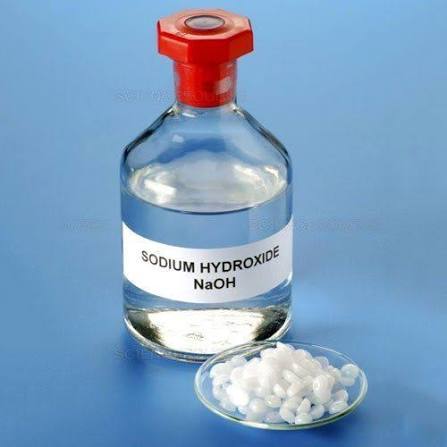
- Physical Form: Pure sodium hydroxide is a white solid, most commonly sold commercially in the form of pellets, flakes, beads, or concentrated aqueous solutions (typically 50%).
- Hygroscopic Properties: Solid NaOH is highly hygroscopic. This means it aggressively absorbs moisture and carbon dioxide directly from the surrounding air, requiring completely airtight storage.
- Exothermic Reaction: When dissolved in water or mixed with acids, sodium hydroxide triggers a highly exothermic reaction, generating a significant amount of localized heat.
Bulk caustic soda flakes wholesale suppliers Australia,Buy pure lye beads 55 lb Queensland,Industrial NaOH chemical distributors near me NSW,Sydney,Perth,AU
Industrial vs. Commercial Applications of NaOH
Because of its exceptional ability to break down organic matter, saponify fats, and adjust pH levels, sodium hydroxide is a cornerstone chemical across numerous major sectors:
| Industry Sector | Primary Application | How It Works |
|---|---|---|
| Soap & Detergent | Saponification | Reacts with fats and oils to chemically transform them into soap and glycerin. Crucial for both artisanal bar soap and mass-market detergents. |
| Plumbing & Cleaning | Drain Cleaners | Converts grease, hair, and organic sludge clogging pipes into a water-soluble soap solution that easily flushes away. |
| Paper & Pulp | Wood Delignification | Utilized in the Kraft process to separate wood fibers by breaking down and dissolving the natural glue-like lignin polymer. |
| Food Processing | Chemical Peeling & Curing | Used to skin fruits and vegetables chemically, process cocoa, soften German pretzels before baking, and cure traditional olives. |
| Water Treatment | pH Adjustment | Injected into municipal water systems to raise alkalinity, neutralize acidic water, and prevent the corrosion of infrastructure piping. |
Essential Handling, PPE, and Safety Protocols
Sodium hydroxide is classified as a highly hazardous substance. It is intensely corrosive to organic tissue, capable of causing severe chemical burns to the skin and permanent, irreversible blindness if it makes contact with the eyes.
- Personal Protective Equipment (PPE): Never handle caustic soda without heavy-duty, chemical-resistant gloves (such as neoprene or PVC). Splash-resistant safety goggles, a full-face shield, and a protective lab coat or heavy long-sleeved clothing are mandatory.
- The Rule of Dissolution: When mixing solid NaOH into water, always add the chemical flakes to the water—never pour water over the chemical solid. Pouring water over solid lye can cause localized boiling, resulting in dangerous, corrosive liquid volcanic splashes.
- Corrosive to Metals: Concentrated sodium hydroxide reacts violently with certain metals—particularly aluminum, zinc, and tin. This reaction releases highly flammable hydrogen gas (H₂). Never mix or store NaOH solutions in aluminum containers.
- First Aid & Neutralization: In the event of skin contact, immediately flush the affected area with copious amounts of running water for at least 15 minutes. While weak acids like vinegar are sometimes cited colloquially for neutralization, medical professionals mandate continuous water irrigation as the primary response to stop the tissue-dissolving action of bases.
Bulk caustic soda flakes wholesale suppliers Australia,Buy pure lye beads 55 lb Queensland,Industrial NaOH chemical distributors near me NSW,Sydney,Perth,AU


