
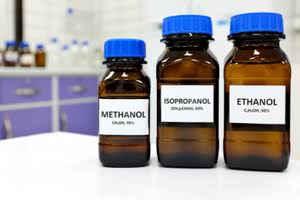
Methanol vs. Ethanol: Comprehensive Guide to the Simple Alcohols
Firstly, Bulk methanol and ethanol suppliers wholesale Australia, In the world of industrial chemistry, manufacturing, and energy production, methanol and ethanol are two of the most heavily utilized primary alcohols on earth. Despite their closely sounding names and similar appearances, they possess fundamentally different chemical structures, physical properties, practical applications, and biological safety profiles.
In this ultimate guide, we break down the definitive differences between methanol and ethanol, explore their core industrial applications, and outline vital handling safety measures.
Chemical Breakdown: Understanding the Structural Differences
Both compounds belong to the alcohol family, meaning they contain a hydroxyl (-OH) group bound to saturated carbon atoms. However, their molecular builds create unique behavior:
- Methanol (CH₃OH): Also known as methyl alcohol or wood alcohol, methanol is the simplest alcohol molecule. It consists of a single carbon atom linked to three hydrogen atoms and one hydroxyl group.
- Ethanol (C₂H₅OH): Known as ethyl alcohol or grain alcohol, ethanol features a two-carbon chain. This structural difference alters its boiling point, metabolic pathways in humans, and energy density as a fuel source.
Bulk methanol and ethanol suppliers wholesale Australia, Buy anhydrous methanol 55 gallon drum NSW, methanol and ethanol for sale Queensland,Victoria,Sydney
Head-to-Head Comparison Table
To quickly understand how these two chemical agents stack up against each other, look at their primary technical properties and distinct profiles:
| Property / Feature | Methanol (CH₃OH) | Ethanol (C₂H₅OH) |
|---|---|---|
| Common Name | Wood Alcohol, Methyl Alcohol | Grain Alcohol, Ethyl Alcohol |
| Primary Raw Material | Natural gas, coal gasification, biomass synthesis. | Fermentation of sugars from agricultural corn, sugarcane, or grains. |
| Industrial Applications | Chemical feedstock, solvent, plastic manufacturing, wastewater denitrification. | Alternative biofuel (E85), solvent, hand sanitizers, beverage industry, cosmetics. |
| Flame Visibility | Burns with a nearly invisible, clean blue flame. | Burns with a highly visible, bright yellow-blue flame. |
| Human Toxicity | Highly Toxic. Ingestion, inhalation, or skin absorption can cause permanent blindness or death. | Low systemic toxicity in small quantities; metabolized primarily by the liver into acetaldehyde. |
Core Applications of Methanol and Ethanol
The Powerhouses of Industrial Synthesis
Methanol is primarily utilized as an industrial building block. It serves as a precursor to essential chemical derivatives like formaldehyde, acetic acid, and various plastics, paints, and explosives. In modern environmental engineering, methanol is injected into municipal wastewater treatment plants to feed denitrification bacteria, safely converting harmful nitrates into harmless nitrogen gas.
The Cornerstones of Biofuels and Solvents
Ethanol is a dominant force in consumer goods and energy sectors. Because it burns cleaner than traditional petroleum, it is blended into standard commercial gasoline (such as E10 or E85) to reduce carbon monoxide emissions. Furthermore, its excellent antiseptic traits make it the primary active ingredient in hospital-grade surface disinfectants and everyday hand sanitizers.
Safety, Handling, and Regulatory Protocols
Because both liquids are highly volatile and flammable, strict industrial hygiene protocols are required whenever they are handled or shipped.
- Flammability Controls: Methanol and ethanol have exceptionally low flash points. They must be stored in specialized chemical lockers or grounding tanks away from electrical friction, sparks, or ignition points. Because a methanol flame is virtually invisible in daylight, automated optical flame detection sensors are essential in industrial facilities.
- Toxicity Mitigation: Methanol is a potent neurotoxin. Ingestion of as little as 10 mL can break down into formic acid inside the human body, permanently destroying the optic nerve and causing irreversible blindness. Working with methanol requires closed ventilation loops, chemical-resistant vapor respirators, and heavy-duty nitrile or butyl rubber gloves.
- Denatured Alcohol Compliance: To prevent industrial-grade ethanol from being redirected toward the beverage market without proper excise taxation, it is often “denatured.” This process mixes ethanol with small amounts of un-separable toxic additives—frequently methanol—rendering it completely toxic and un-consumable.
Bulk methanol and ethanol suppliers wholesale Australia, Buy anhydrous methanol 55 gallon drum NSW, methanol and ethanol for sale Queensland,Victoria,Sydney


