
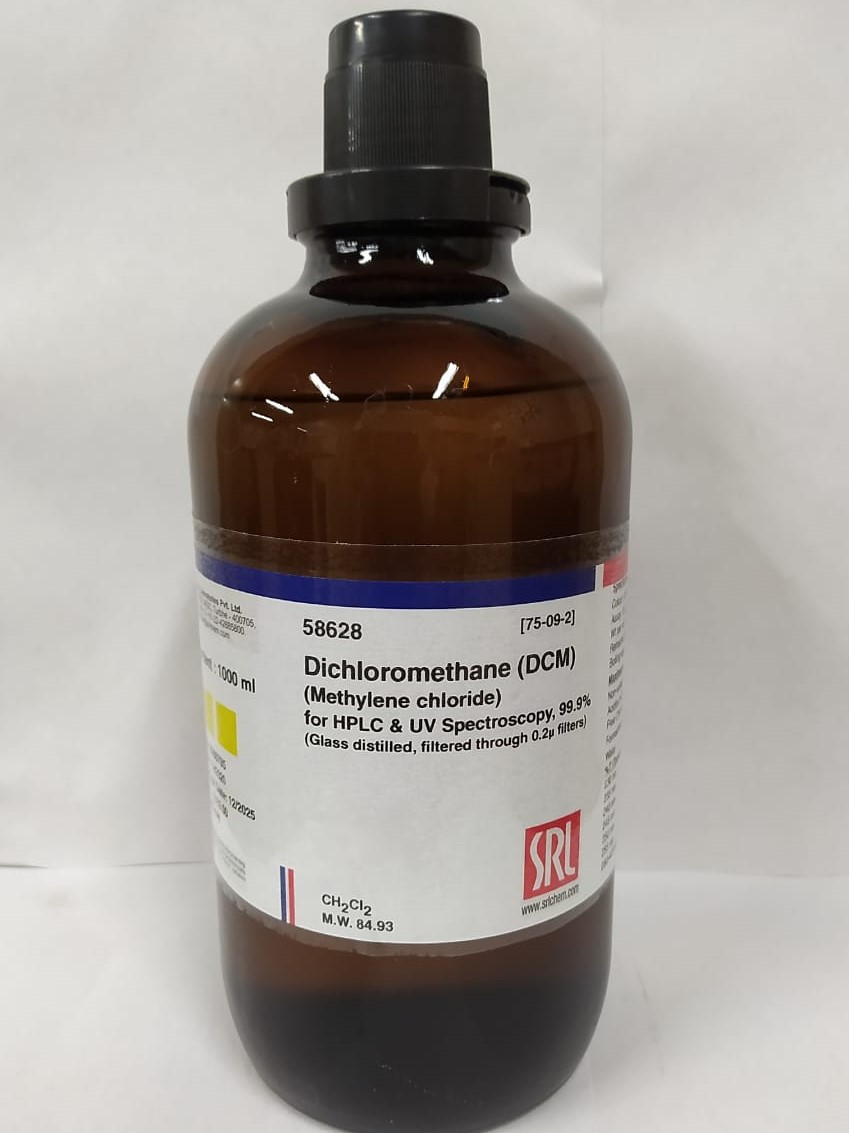
The Ultimate Guide to Dichloromethane (DCM): Industrial Uses, Chemistry, and Safety Protocols
Firstly, Buy high purity dichloromethane online Australia, the landscape of industrial manufacturing, laboratory research, and chemical synthesis, dichloromethane (DCM)—frequently referred to as methylene chloride—is recognized as one of the most powerful chlorinated solvents in existence. Renowned for its exceptional volatility, low boiling point, and ability to dissolve a vast array of organic compounds, DCM has historically been a cornerstone ingredient in paint strippers, pharmaceutical manufacturing, and plastics welding.
In this comprehensive guide, we explore the core chemical properties of dichloromethane, its primary commercial applications, its shifting regulatory status, and the strict safety workflows required for handling it safely.
What is Dichloromethane? The Chemical Fundamentals
Dichloromethane is an organochlorine compound belonging to the halogenated hydrocarbon family. It is synthesized primarily by treating either chloromethane or methane with chlorine gas at elevated temperatures.
- Chemical Formula: CH₂Cl₂
- Physical Properties: It is a clear, colorless liquid with a moderately sweet, chloroform-like aroma.
- High Volatility: DCM features a remarkably low boiling point of 39.6°C (103.3°F) and a high vapor pressure. This means it evaporates rapidly at standard room temperature, filling enclosed workspaces with heavy vapors quickly if unmanaged.
- Solubility Profile: While it is immiscible (does not mix) with water, it is highly miscible with most organic solvents, including ethanol, ether, and acetone.
Primary Industrial and Laboratory Applications of DCM
Despite its tight modern regulatory restrictions, dichloromethane remains an indispensable chemical agent in highly controlled industrial processes due to its unique extraction efficiencies:
| Industry Sector | Primary Application | How It Works |
|---|---|---|
| Pharmaceuticals | Process Solvent | Acts as a reaction and purification solvent in the manufacture of antibiotics, vitamins, and synthetic steroid medications. |
| Plastics & Acrylics | Solvent Welding | Chemically melts the surfaces of specific plastics (like polycarbonate and acrylic), fusing them together into a seamless bond upon rapid evaporation. |
| Chemical Synthesis | Extraction Agent | Extracted compounds from organic bases. Historically used to decaffeinate coffee beans and tea leaves, though largely replaced by supercritical CO₂ today. |
| Aerosols & Manufacturing | Vapor Degreasing | Cleans heavy industrial machinery and aerospace components by lifting complex oils, resins, and tars without leaving a residue. |
Critical Health Hazards and Safety Protocols
Dichloromethane is a highly hazardous toxic substance that demands sophisticated engineering controls. It is metabolized by the human body into carbon monoxide, which can induce acute oxygen deprivation in the bloodstream.
- Inhalation Hazards: Breathing in DCM vapors can suppress the central nervous system, causing headaches, dizziness, confusion, and nausea. Prolonged exposure in poorly ventilated spaces can lead to unconsciousness or fatal asphyxiation. Always execute DCM workflows inside a highly efficient chemical fume hood or a localized exhaust ventilation loop.
- Specialized PPE Limitations: Standard nitrile, latex, and neoprene gloves do not protect against dichloromethane; it will permeate them in seconds. Handlers must utilize heavy-duty gloves fabricated from specialized materials like Silver Shield, laminate film, or thick Viton.
- Respirator Restrictions: Standard organic vapor cartridge masks do not offer adequate protection due to DCM’s rapid breakthrough time. If working in environments where vapor concentrations exceed permissible exposure limits, a supplied-air respirator (SAR) or a self-contained breathing apparatus (SCBA) is legally mandated.
- Carcinogenicity: Dichloromethane is classified globally as a suspected human carcinogen (Group 2B by IARC). Chronic skin contact can strip natural lipids, causing severe blistering and chemical chemical burns.
The Evolving Regulatory Landscape
Industrial buyers must pay close attention to environmental compliance. In many jurisdictions, regulatory bodies have implemented rigorous restrictions or near-total bans on methylene chloride in consumer-facing products—particularly consumer paint and coating removers. Under modern workplace safety codes (such as OSHA or European ECHA guidelines), industrial facilities utilizing DCM must implement rigorous monitoring programs to track air quality levels, manage chemical manifests, and transition to eco-friendly, less toxic solvent alternatives wherever technically viable.
Buy high purity dichloromethane online Australia,Bulk dichloromethane suppliers wholesale Queensland,Industrial DCM chemical distributors near me NSW,Sydney


