The Ultimate Guide to Hydrochloric Acid: Industrial Uses, Chemical Properties, and Safety
In both heavy industrial manufacturing and everyday residential maintenance, hydrochloric acid (HCl) stands out as one of the most powerful and versatile mineral acids in the world. Historically known as acidum salis or muriatic acid, this highly corrosive, strong acid plays a critical role in everything from processing steel to balancing the chemistry of swimming pools.
In this comprehensive guide, we explore the chemical fundamentals of hydrochloric acid, examine its diverse commercial uses, and outline the strict safety protocols required to handle it without risk.
What is Hydrochloric Acid? The Chemical Basics
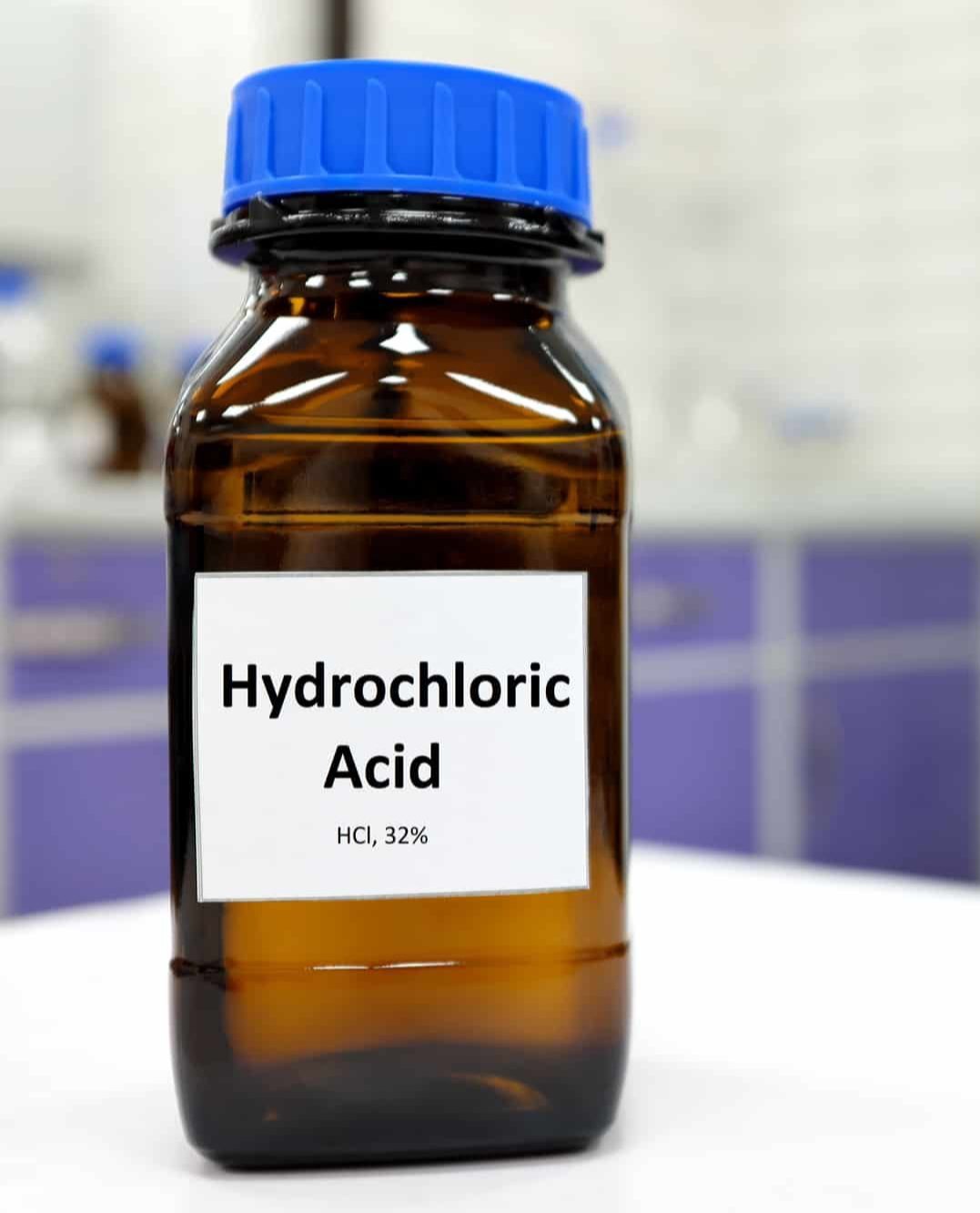
Hydrochloric acid is an aqueous (water-based) solution of hydrogen chloride gas. It is a strong, monoprotic acid, meaning it dissociates completely in water to release hydrogen ions (H⁺) and chloride ions (Cl⁻).
- Chemical Formula: HCl (aq)
- Appearance: Typically clear and colorless, though industrial grades may have a slight yellowish tint due to trace iron impurities.
- Odor: Intensely pungent, sharp, and irritating to the respiratory tract.
- Acidity: A highly concentrated solution (around 38%) features a dangerously low pH of less than 1, making it highly reactive with metals and organic tissues.
Bulk hydrochloric acid suppliers wholesale Australia,Industrial HCl chemical distributors near me NSW,Buy concentrated hydrochloric acid 37% online Victoria
Industrial vs. Commercial Applications of HCl
Because it is highly effective at dissolving mineral scales, altering pH levels, and driving chemical synthesis, hydrochloric acid is a staple across numerous major sectors:
| Industry Sector | Primary Application | How It Works |
|---|---|---|
| Steel & Metallurgy | Steel Pickling | Removes rust, scale, and iron oxide impurities from carbon steel before it undergoes further processing like coating or galvanization. |
| Water Treatment | pH Regulation & Pool Care | Neutralizes alkaline water systems. In swimming pools, lower concentrations (muriatic acid) are added to safely lower total alkalinity and pH. |
| Food Production | Ingredient Hydrolysis | Used in the food industry to process gelatin, acidify ingredients, and assist in the production of corn syrup and hydrolyzed vegetable protein. |
| Oil & Gas | Well Acidizing | Injected directly into rock formations to dissolve carbonate minerals, opening up paths to stimulate oil or gas flow. |
Hydrochloric Acid vs. Muriatic Acid: Is There a Difference?
Consumers are frequently confused by these two terms. Chemically, they are the same substance, but they differ drastically in purity and concentration:
- Hydrochloric Acid: Refers to the pure, laboratory, or high-grade chemical solution. It is typically sold at concentrations between 31.5% and 38% for exact industrial or scientific applications.
- Muriatic Acid: A historical name used for commercial, hardware-store-grade variants. It generally sits at a slightly lower concentration (around 10% to 31.5%) and contains minor impurities that give it a yellow tint, making it ideal for brick cleaning and pool care but unsuited for laboratories.
Essential Handling, PPE, and Safety Protocols
Hydrochloric acid is extremely toxic and corrosive. Coming into contact with the liquid or inhaling its concentrated fumes can cause severe chemical burns, irreversible eye damage, and deep respiratory irritation.
- Personal Protective Equipment (PPE): Never handle HCl without heavy-duty, chemical-resistant gloves (such as neoprene, PVC, or nitrile). You must wear splash-proof safety goggles, a full face shield, and a protective chemical apron or heavy long-sleeve clothing.
- The Golden Rule of Dilution: If you need to dilute concentrated hydrochloric acid with water, always add the acid to the water—never add water to the acid. Adding water to concentrated acid can trigger an immediate, violent exothermic reaction that causes the acid to boil and splash outward.
- Fume Mitigation: Concentrated HCl “fumes” in moist air, creating a toxic mist of hydrochloric acid droplets. Always use it outdoors or under a highly efficient chemical fume hood to prevent inhalation.
- Compliant Storage: Store the acid in its original, tightly sealed container inside a dedicated, corrosion-resistant plastic cabinet. Never store HCl in unlined steel containers, as it reacts violently to produce highly flammable hydrogen gas (H₂).
Bulk hydrochloric acid suppliers wholesale Australia,Industrial HCl chemical distributors near me NSW,Buy concentrated hydrochloric acid 37% online Victoria